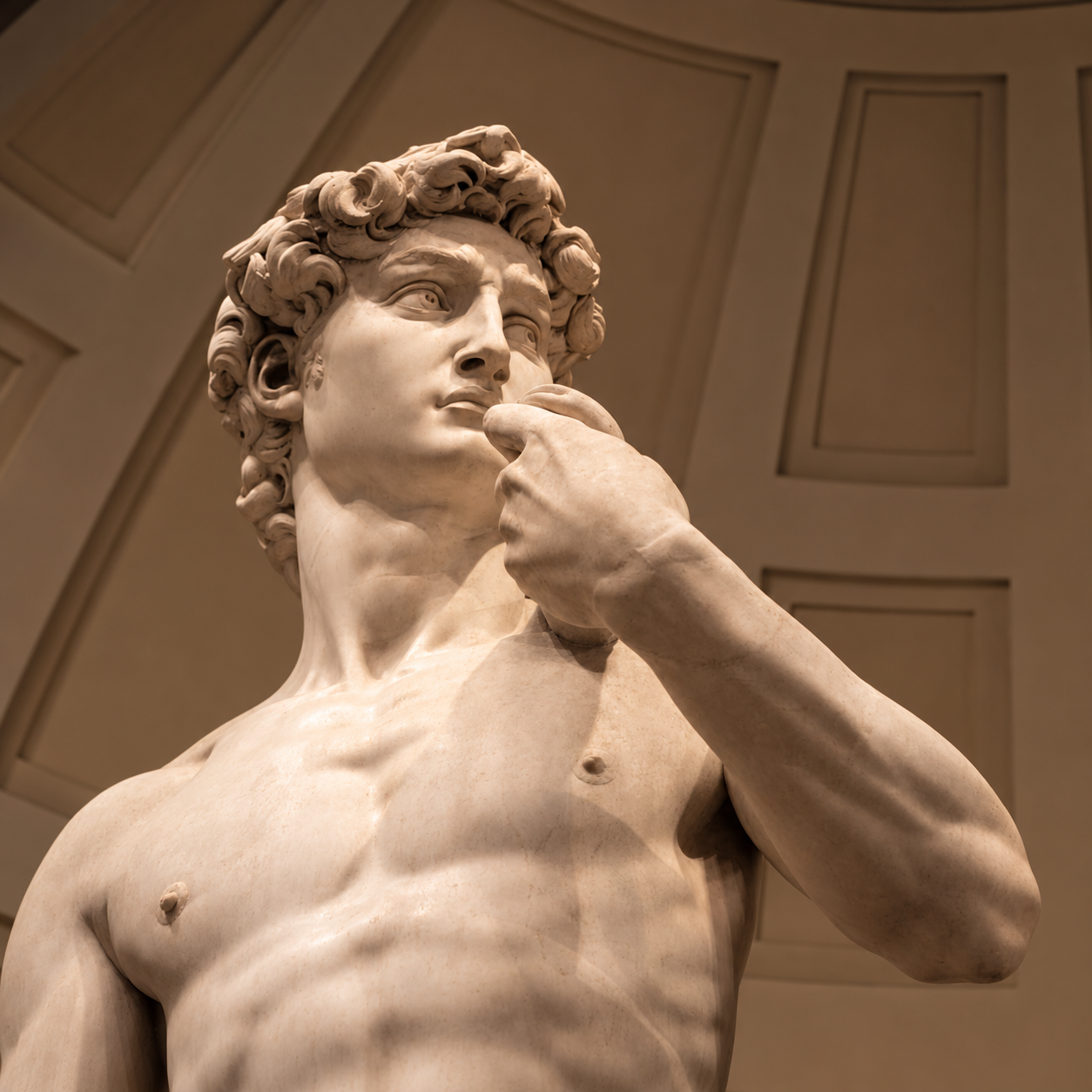
Our tips for experiencing Florence’s museums in summer (without too much of a crowd)
There’s a moment each day when Florence is still quiet: half past eight in the morning, when the lines outside the Uffizi haven’t formed yet and the tour groups are still at breakfast. If you’re in Florence in summer, this is the secret: move before everyone else, and choose carefully where to go.
Visiting the Uffizi in summer: how to avoid the crowds
The Uffizi require a strategy. Book online well in advance — tickets sell out quickly in high season — and choose the first available morning slot. Go in without the intention of seeing everything: pick three or four rooms that genuinely interest you — Botticelli’s Primavera, Leonardo’s Annunciation, Caravaggio’s works — and take your time there. If you manage to head out by 11:30 AM, the city is still pleasant.
Florence’s lesser-known museums (but extraordinary ones)
Florence puts all its attention on the big names, while smaller museums often remain nearly empty. The Museo di San Marco is one of the city’s most beautiful places: silent cloisters, cells frescoed by Fra Angelico, a contemplative peace. The Bargello houses one of Europe’s most important collections of Renaissance sculpture — Donatello, Michelangelo, Cellini — and can be visited with room to breathe. Palazzo Vecchio is known to everyone from the square, but few step inside: the Salone dei Cinquecento is a jaw-dropping display of Renaissance power.
Florence’s churches: free art and guaranteed cool
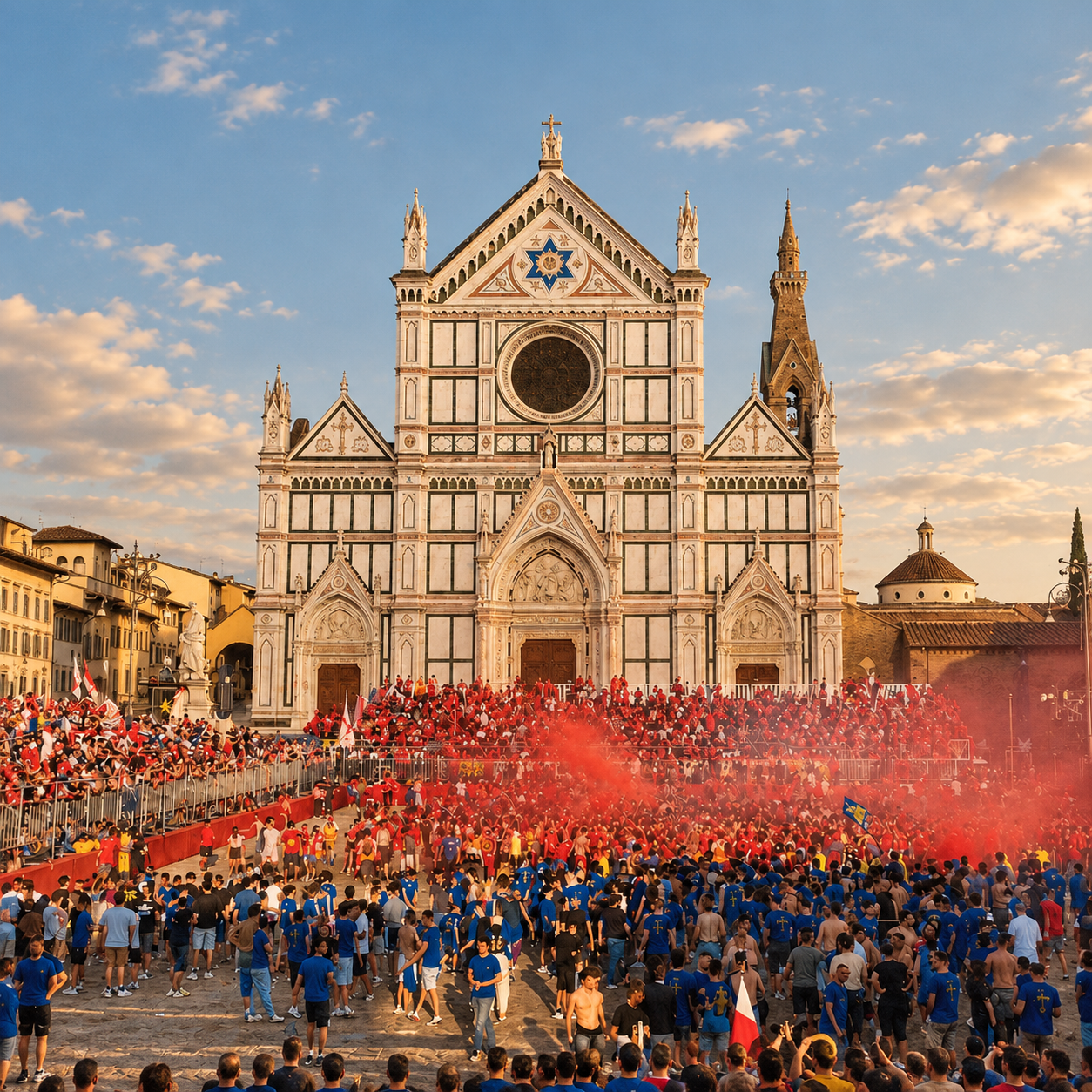
In summer, Florence’s churches serve a double purpose: art destinations and refuges from the heat, many of them free to enter — Santa Croce, Santa Maria Novella, San Miniato al Monte, Orsanmichele. The smaller, less-visited ones — Santa Trinita, Ognissanti, the Badia Fiorentina — offer forgotten frescoes and a few minutes of real solitude. The Brancacci Chapel, in the Oltrarno, deserves a dedicated visit: Masaccio’s frescoes are among the founding works of Western painting, with limited access and just a few visitors at a time — a rare experience during high season.
Oltrarno: Florence’s most authentic neighbourhood
If you want to understand what Florence is really like, stop in the Oltrarno: artisan workshops, small shops, osterias where conversations run late into the night. This is the Florence Florentines still live in.
The right pace for visiting Florence in summer
In June, July, and August, Florence should be lived at a precise pace: early morning for museums and churches, afternoon for resting or a stop at a historic café, and evening for strolling and discovering corners that vanish into the crowds during the day. It’s how Florentines survive their city in summer — and it works.
Florence’s gardens: greenery, cool air and views over the city
The Boboli Gardens are the best known; the Bardini Gardens are less crowded and just as beautiful. Our favorite is the Giardino delle Rose, on the hill above the Oltrarno: one of the most beautiful views over the entire city, with the Duomo in the background, and often surprisingly peaceful even in high season.
Florence in summer is intense, hot, at times chaotic. But if you know when to move, what to look for, and where to slow down, it reveals a side of itself not everyone gets to see.
Staying at Palazzo della Nave, you’re already in the right place: we’re just steps from the Uffizi, in the heart of the historic center. If you’d like personalized suggestions, stop by our reception and ask, that’s what we’re here for!